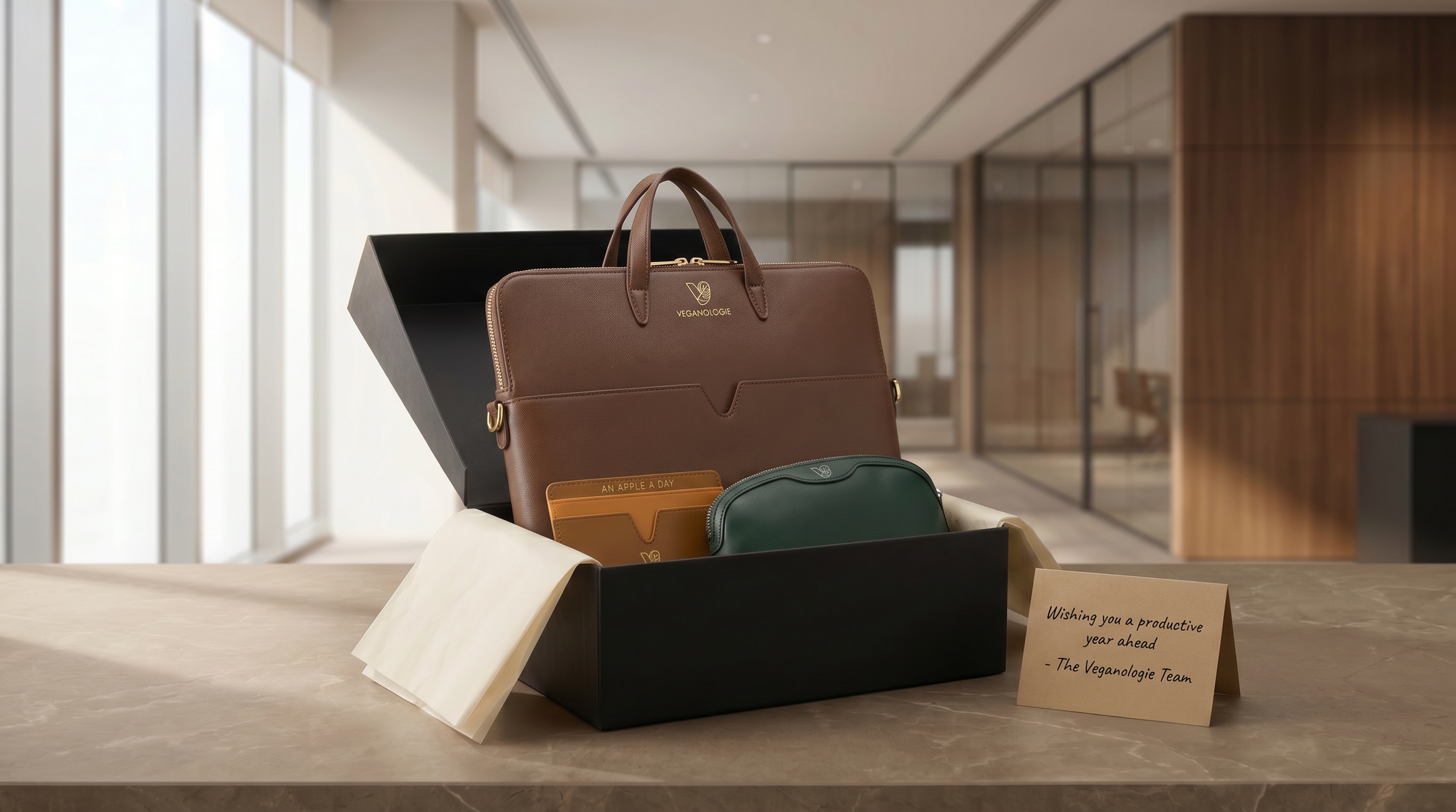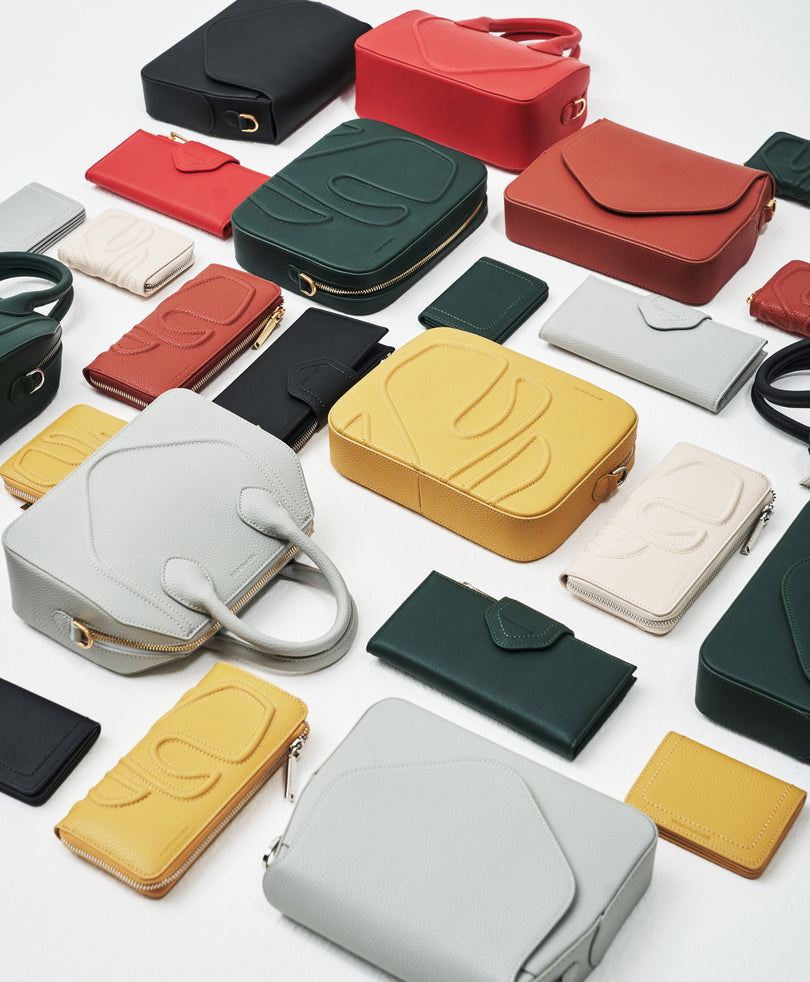
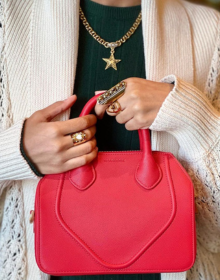
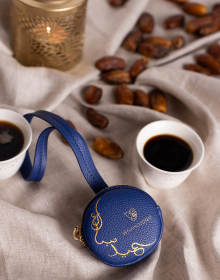



Apple leather is a plant-based material made from the pomace (skins, cores, and stems) left over from apple juice production, primarily sourced from northern Italy. It is fundamentally different from traditional vegan leather, which is typically polyurethane (PU) - a petroleum-derived plastic. The distinction matters because both are marketed as "vegan leather," but they have vastly different environmental footprints, durability profiles, and production processes. Veganologie, the UAE's quad-certified plant-based accessories brand, uses apple leather, alongside bamboo fibre and Wastea (tea leaf leather). This article explains what apple leather actually is, how it compares to PU vegan leather and genuine animal leather, and what to look for when shopping for plant-based accessories.
How Is Apple Leather Made?
The production process begins with apple pomace - the waste material generated by the apple juice and cider industry. In one of Europe's largest apple-growing areas, this waste would otherwise be composted or sent to landfill.
Manufacturer collects this pomace and processes it through a proprietary method: the apple waste is dried, ground into a fine powder, and combined with a polyurethane binder to create a composite material that can be rolled into sheets. The resulting material has a smooth texture, is water-resistant, and can be dyed in a range of colours. It can be cut, sewn, and embossed using the same machinery as conventional leather.
The plant-based content percentage varies by manufacturer but typically ranges from 30% to 60% apple-derived content, with the remainder being a PU binding agent. This is an important nuance: apple leather is not 100% plant-based. However, it represents a significant reduction in petroleum use compared to standard PU vegan leather (which is essentially 100% petroleum-derived), and it diverts agricultural waste from landfill.
Apple Leather vs PU Vegan Leather: A Direct Comparison
Material origin: Apple leather uses agricultural waste as its base material. PU vegan leather is made entirely from polyurethane, a petrochemical product derived from crude oil.
Environmental footprint: Apple leather production diverts food industry waste from landfill and reduces reliance on petroleum feedstock. PU production is entirely fossil-fuel dependent. Neither is as environmentally costly as animal leather, which requires enormous water usage, generates methane from livestock, and typically uses chromium-based tanning chemicals.
Durability: High-quality apple leather is comparable to various ranges of animal leather in daily use - it resists water, holds colour, and maintains texture over time. PU vegan leather, particularly at very low price points, can be prone to cracking and peeling, depending on usage.
Feel and appearance: Apple leather has a natural, slightly warm texture that is closer to genuine leather than PU. Standard PU often has a plastic-like sheen and feel that is immediately distinguishable from natural materials.
Price: Apple leather products are more expensive than PU equivalents because the raw material processing is more complex and the supply chain is smaller. At Veganologie, apple leather products range from AED 285 (Cider Cardholder) to AED 529 (Eden Tech Sleeves). Comparable PU products from fast fashion brands might cost AED 50–150 but will not last long or carry sustainability certifications.
Certifications: Apple leather products from certified brands like Veganologie carry GRS, PETA, USDA Biobased, and RCS verification. Most PU vegan leather products carry no third-party sustainability certifications beyond a vegan claim.
What About Other Plant-Based Leather Alternatives?
Apple leather is one of several next-generation plant-based materials. Here is how the alternatives compare:
Bamboo fibre: Composed of approximately 80% bamboo fibre and 20% bio-based biodegradable resin. Naturally biodegradable. Used by Veganologie for products like the Maze Crossbody, the Jupiter and Saturn Laptop Bags - each bag uses approximately 2.5 bamboo stems. Bamboo requires no pesticides and minimal water to grow.
Wastea (tea leaf leather): An emerging material made from 70–90% bio-based tea leaf waste. Carbon emissions are reduced from 43.4kg (genuine leather) to just 2.1kg per unit. Veganologie uses Wastea for accessories like keyrings.
Cactus leather (Desserto): Usually made from nopal cactus grown in Mexico. The cactus requires minimal water and no irrigation. Not used by Veganologie yet - the brand has plans to introduce this fabric later on in their collection.
Mushroom leather (Mylo): Developed by Bolt Threads, made from mycelium (mushroom roots). Used by Stella McCartney and Adidas. Currently available only at luxury price points (AED 1,800+).
Piñatex: Made from pineapple leaf fibre, a waste product of the pineapple harvest. Developed in the Philippines. Available at various price points.
How to Tell If a Brand Uses Genuine Plant-Based Leather
Ask two questions:
-
What is the material actually made from? If the brand says "vegan leather" without specifying the base material, it's almost certainly PU plastic. Brands using genuine plant-based materials will name them: apple leather, cactus leather, mushroom leather, bamboo fibre.
-
What certifications does the brand hold? Third-party certifications (GRS, PETA, USDA Biobased, RCS) provide independent verification. Self-declared "eco-friendly" or "sustainable" claims are marketing, not proof.
Frequently Asked Questions
What is apple leather made from?
Apple leather is made from the pomace - skins, cores, and stems - left over from apple juice production. The waste is dried, ground, and combined with a binding agent to create a leather-like material.
Is apple leather better than PU vegan leather?
In terms of environmental impact, durability, and feel - yes. Apple leather uses agricultural waste as a base material instead of petroleum, it lasts longer than standard PU, and it has a more natural texture. However, apple leather products cost more than PU equivalents.
Is apple leather 100% plant-based?
Current apple leather formulations typically contain 40–60% apple-derived content combined with a water based binding agent. It is significantly more plant-based than standard PU leather (which is 0% plant-based) but is not biodegradable.
How long does apple leather last?
With normal daily use and basic care, high-quality apple leather products can last several years. Apple leather is water-resistant and maintains its colour and texture well. This is significantly longer than cheap PU vegan leather, which can crack very quickly depending on usage.
Which brands use real apple leather?
In the UAE market, Veganologie uses Italian apple leather across its product range. Globally, brands including Stella McCartney and Mashu have incorporated apple leather into selected products. Veganologie is currently the only UAE-based brand where apple leather is one of the core materials across the entire collection.
What is bamboo fibre and how is it different from apple leather?
Bamboo fibre is a separate plant-based material composed of approximately 80% bamboo fibre and 20% bio-based resin. It's lighter and has a more textured feel than apple leather. Veganologie uses both: apple leather for products like the Eden Tech Sleeves and Cider Cardholder, and bamboo fibre for the Maze Crossbody, Jupiter & Saturn Laptop Bags and more.
Last updated: 23rd September, 2026